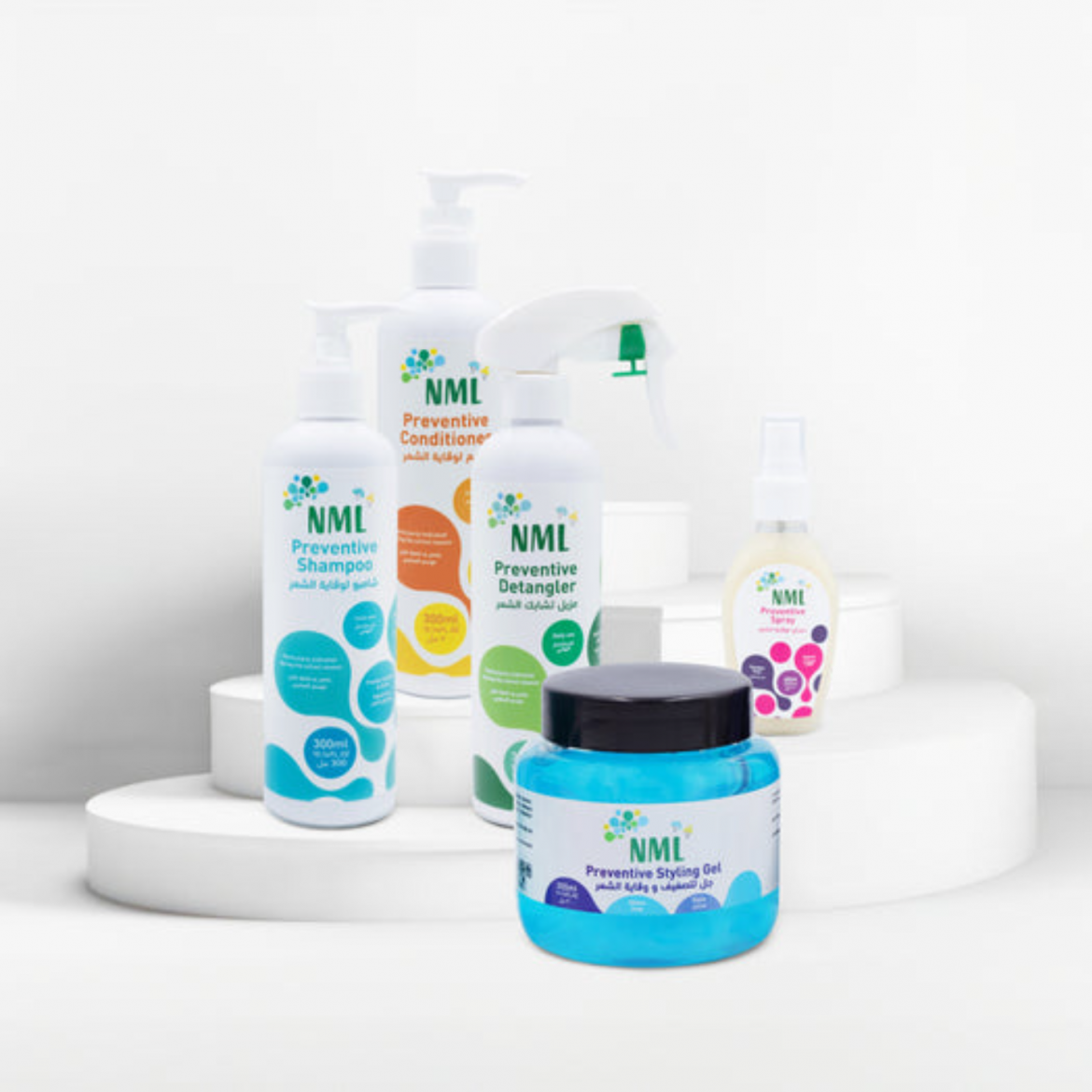
Head lice cause endless itching and frustration, but the treatment shampoo designed to kill them carries its own set of risks. Harsh chemicals in these products can strip natural oils, inflame sensitive skin, and leave the scalp feeling raw and burned. A damaged scalp heals slowly, causing discomfort that lingers long after the lice disappear.
Proper use of a lice removal shampoo protects the scalp while still eliminating the infestation effectively. Understanding the simple safety rules turns a harsh chemical treatment into a manageable and safe process.
Select the correct formula:
Always read the active ingredient list on the bottle. Some treatments use plant-based oils, while others rely on synthetic pesticides. For sensitive skin, opt for products with gentler, naturally derived components. Avoid formulas containing harsh preservatives or artificial fragrances, as these offer no benefit and only increase the chance of an adverse reaction.
Perform a patch test first:
Do not apply the shampoo directly to the entire head without checking for sensitivity first. Apply a small drop of the product behind the ear or on the inner elbow. Wait for a few hours to see if any redness, burning, or swelling appears. If the skin shows any sign of distress, do not use that product. This simple step prevents a full-scale allergic reaction.
Protect the hair and scalp before use:
Create a barrier to reduce direct chemical contact with the skin. Apply a thin layer of plain conditioner or natural oil, like coconut or olive, to the scalp and the length of the hair. This coating fills the hair shaft and provides a buffer against the active compounds in the shampoo. The treatment can still work on the pests, but the scalp receives an extra layer of defense against stripping and dryness.
Follow the timing instructions precisely:
Leaving the product on for longer than the package recommends does not improve its effectiveness. This action dramatically increases the risk of chemical irritation and burns. Set a timer and rinse thoroughly the exact second the clock reaches the specified time. Do not let the mixture dry on the head, as that concentrates the chemicals and harms the skin.
Rinse with cool water, not hot:
Using hot water opens the pores of the scalp and allows chemicals to penetrate deeper into the skin. Cool or lukewarm water closes the pores and washes away the shampoo without causing extra absorption. Ensure to rinse for several minutes to remove all residue.